 M&M Tank Coating Company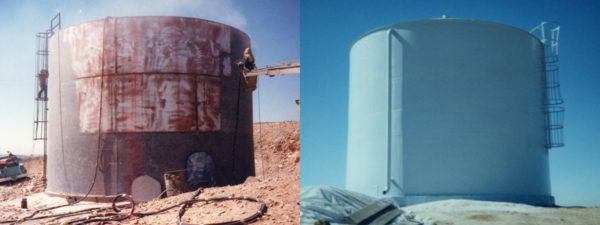
Industrial painting for storage tanks is about more than improving appearance. Tanks used for water, fuel, chemicals, agricultural products, and industrial processes face ongoing exposure to moisture, weather, stored materials, and changing temperatures. The right preparation and coating system can help protect the tank surface, limit corrosion, and support a longer service life.
A successful industrial painting project begins with understanding the tank itself. Its construction material, contents, condition, location, and operating environment all affect how the work should be approached. There is no single coating system or preparation method that fits every tank.
Why Tank Condition Matters
Before industrial painting begins, the existing surface should be evaluated. Rust, loose paint, pitting, leaks, damaged welds, or coating failure may indicate that the tank needs more than a new finish. Painting over an unresolved problem can conceal the damage temporarily without restoring the tank’s integrity.
A professional assessment helps identify whether the project requires:
- Cleaning and surface preparation
- Removal of deteriorated coatings
- Welding or structural repairs
- Leak detection and repair
- Interior lining maintenance
- A complete coating replacement
Routine inspections can also reveal changes before they develop into larger problems. The EPA notes that qualifying aboveground oil-storage containers should receive regular integrity inspections according to applicable industry standards. Although requirements differ by tank and application, inspection and industrial painting often work together as parts of a broader maintenance plan.
Surface Preparation Comes First
Surface preparation is one of the most important stages of industrial painting. New material must be applied to a surface that is clean and properly prepared if it is expected to adhere and perform as intended.
According to OSHA’s surface-preparation guidance, preparation may include removing old paint, oil, scale, and rust before a coating is applied. Abrasive blasting is one method used to clear away deteriorated material and create a surface profile for the new coating.
For storage tanks, preparation may involve cleaning, sandblasting, and removing contaminants from interior or exterior surfaces. The exact approach depends on the tank’s condition and the material being removed. Proper containment, equipment, and worker protection are also important because industrial painting and abrasive blasting can involve dust, debris, noise, and exposure to existing coatings.
Choosing a Coating for the Application
The best product for industrial painting depends on what the tank stores and what the surface encounters. A tank exposed to outdoor weather does not face the same conditions as an interior surface that remains in contact with stored water, fuel, or chemicals.
Common considerations include:
- Tank material, such as steel, other metals, or concrete
- Interior or exterior application
- Moisture and weather exposure
- The substance stored in the tank
- Existing coating condition
- Expected operating environment
- Required maintenance schedule
M&M uses durable materials such as epoxy and polyurethane for its tank-coating work. However, selecting between available products should be based on the tank’s use, contents, and exposure rather than choosing industrial painting materials by name alone.
Interior and Exterior Tank Painting
Interior industrial painting creates a protective barrier between the tank surface and the material being stored. Because that coating may remain in direct contact with the contents, product compatibility and surface preparation are critical. Existing damage, contamination, or lining failure should be addressed before a new system is applied.
Exterior industrial painting protects against rain, snow, sunlight, temperature changes, and other environmental conditions. Exterior coatings can also make corrosion, peeling, or damage easier to identify during visual inspections. For tanks exposed to Colorado weather, coating selection and application conditions can directly influence long-term performance.
Both sides of the tank require careful planning, but they do not necessarily use identical products or procedures. An industrial painting plan should distinguish between interior and exterior demands.
When Is Repainting Necessary?
A tank does not always need complete industrial painting at the first sign of wear. Minor coating damage may be handled with maintenance or targeted touch-ups. More widespread peeling, blistering, rust, or loss of adhesion may justify broader surface preparation and recoating.
Warning signs can include:
- Visible rust or corrosion
- Bubbling, cracking, or peeling paint
- Bare metal showing through
- Interior lining deterioration
- Repeated coating failures
- Damage around seams, welds, ladders, or access points
Inspections help determine whether industrial painting is sufficient or whether repairs should come first. Coating over structural damage or active leakage is not a substitute for correcting the underlying issue.
Tank Painting From M&M Tank Coating
At M&M Tank Coating, we provide industrial painting for industrial, municipal, and commercial tanks. Our work includes interior and exterior coatings, sandblasting, inspections, maintenance, and tank repairs. We prepare tank surfaces by removing old paint, rust, and contaminants before applying the selected protective system.
Because we also handle inspection, cleaning, repair, and coating maintenance, we can evaluate more than the visible finish. Our industrial painting recommendations are based on the tank’s material, contents, exposure, and existing condition. Contact us to discuss your storage tank and request a professional assessment.